
The Real Maths Behind Why You Keep Losing at Slots
You have probably heard someone say slots are rigged. They aren't — not in the way people mean. Every spin on a licensed slot is a genuinely random event, and the casino doesn't need to cheat you. The maths does the job all on its own, quietly and legally. Understanding that maths won't magically make you a winner, but it will stop you from being the person who burns a rent payment chasing a jackpot that was never coming. Let's dig into how these games actually pay, where your money really goes, and what the numbers say about poker, sports betting and everything else under the iGaming umbrella.
The House Edge Is Not a Scam — It's a Business Model
Every casino game has a built-in mathematical advantage for the operator, and it is tiny by design. On a standard European roulette wheel, the single zero gives the house a 2.7% edge. Blackjack played with basic strategy can drop that to around 0.5%. Baccarat's banker bet sits near 1.06%. These are not secrets. They are published, studied and fairly consistent worldwide, because a casino that tried to cheat would be shut down by regulators faster than it could count the cash.
Now look at slots. The house edge — usually expressed as the opposite of return to player, or RTP — typically runs between 2% and 10%. A slot with 96% RTP keeps 4 cents of every dollar wagered, over millions of spins. That sounds small. But here's the trap: slots are fast. A land-based player might spin 500 times an hour; an online player with autoplay can hit 1,000. Compare that to 60 hands of blackjack. The edge gets applied far more often, which is why slot players lose their bankroll quicker even when the percentage looks reasonable.
Volatility: The Number Nobody Talks About
RTP tells you what happens over an infinite number of spins. It says nothing about what happens in your next 200. That's where volatility — sometimes called variance — comes in, and it matters far more to your actual experience.
- Low volatility slots pay small amounts often. You'll grind away with frequent little wins, and your balance will drift downward slowly. Good for long sessions on a small budget.
- Medium volatility is the middle ground most players end up on, with moderate win frequency and moderate payouts.
- High volatility slots can go 100 or more spins without a meaningful win, then hand you 500x your stake in one hit. Brutal for bankrolls, thrilling for the lucky.
Two slots can both be 96% RTP and feel completely different. A pragmatic example: Book of Dead and Starburst are roughly similar in RTP terms, but one is a high-volatility bonus-hunting game and the other is a low-volatility grind. Choosing between them is really choosing what kind of session you want, not which game is 'better'.
Where Slot Money Actually Goes
People assume the casino pockets everything you lose. In reality, the split is more interesting. From the house's cut, roughly: Anyone weighing up options should see chơi rikvip.
- A large portion funds jackpot pools, progressive contributions and bonus features.
- A significant slice goes to game studios — the companies that design and licence the software.
- Operating costs, licensing fees and taxes take their share, especially in regulated markets where tax rates can exceed 20% of gross gaming revenue.
- The remainder is profit.
This is why two casinos can offer the same game at different RTPs. Some operators run '96%' versions, others quietly run '94%' or lower. Checking the paytable or the game info screen is genuinely worth doing before you commit a session to a slot.
Poker Is the One Game Where You Can Actually Win Long-Term
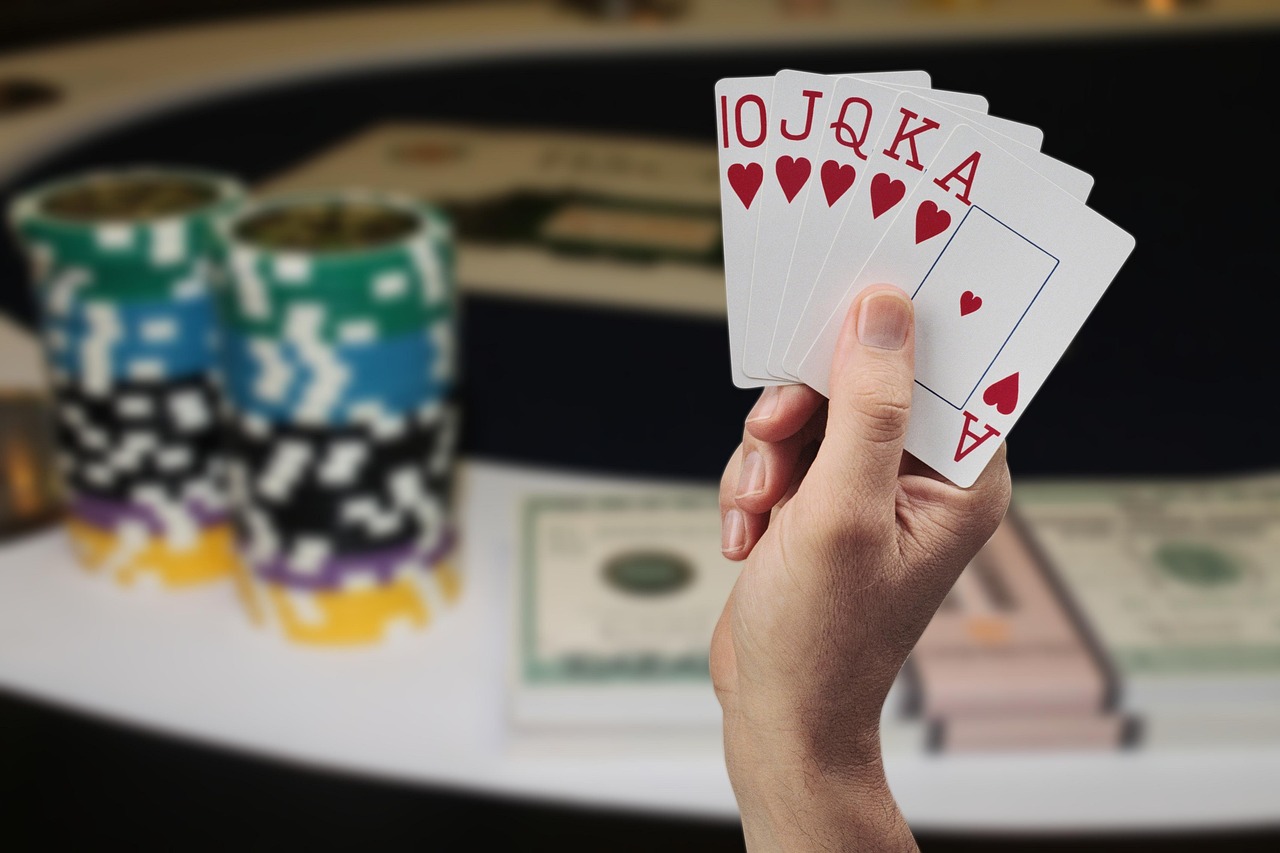
Here is the uncomfortable truth for casino fans: poker is not a house game. You play against other people, and the house takes a rake — typically 5% of the pot, capped at a few dollars. That means a skilled player can be profitable over thousands of hands, because the money is flowing from weaker players to stronger ones, not from everyone to the casino.
But skill takes years to develop. A winning player at micro-stakes might earn 5 to 10 big blinds per 100 hands. That's a slow grind, and variance can bury you for months even when you're playing well. The players who lose most are the ones who treat poker like a slot machine: chasing draws with bad odds, playing too many hands, and refusing to fold. If you're not prepared to study ranges, pot odds and position, you're simply the fish at the table.
Sports Betting: Margin, Not Mystery
Sportsbooks don't need to predict outcomes. They build a margin into the odds. If a fair coin flip should pay 2.00 on both sides, a book offers 1.91 on each. That 4.5% overround is the book's edge, and it applies whether you bet favourites, underdogs or exotic markets. Live betting and parlay (accumulator) bets carry even higher margins, often above 10%, because the book is pricing uncertainty in real time.
The bettors who survive are the ones who hunt for soft lines, exploit promotions and stake according to value rather than gut feeling. Everyone else is paying the margin one ticket at a time.
Practical Rules That Actually Protect Your Bankroll
None of this is about moralising. It's about knowing the terrain. If you're going to play, play like someone who understands the maths:
- Set a loss limit before your first spin or bet, and treat it as spent money, not a temporarily misplaced deposit.
- Prefer higher-RTP slots when the choice exists — 96% versus 92% is a real difference over hundreds of spins.
- Match volatility to your budget. High-volatility games with a small bankroll are a recipe for a quick, miserable session.
- Never chase losses. The RTP doesn't change because you've been losing; the game owes you nothing.
- Use bonuses carefully. Wagering requirements of 30x or 40x mean you must bet huge amounts before withdrawing — read the terms.
And remember, no strategy turns a negative-expectation game into a positive one. Progressives, 'hot' machines and patterns in spin history are stories we tell ourselves to make random events feel controllable. They aren't.
The Takeaway
The iGaming world is not out to trick you, and it isn't a golden ticket either. It's an entertainment product with a mathematically certain margin, dressed up in flashing lights and near-miss animations. Knowing the RTP, respecting volatility, and treating poker and sports betting as skill games with their own long learning curves puts you ahead of most players — not because you'll beat the house, but because you'll stop expecting to. That shift alone saves more money than any betting system ever will. Play for fun, spend only what you can lose, and let the maths be the maths.

4 Comments