
Making a Tiny Bedroom Feel More Spacious
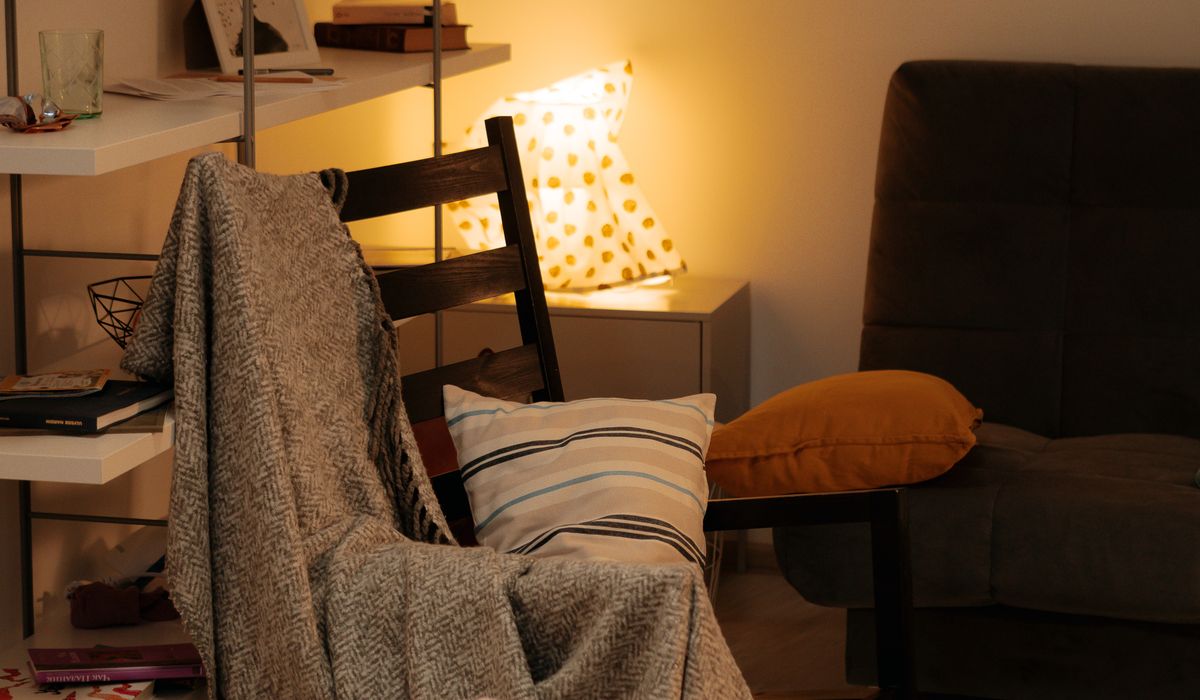
Start With the Space You Actually Have
A small bedroom asks more of you than any other room in the house. It has to hold a bed, your clothes, your books, your phone charger and whatever else has drifted in over the years, and it still has to feel like somewhere you can switch off at the end of the day. The good news is that a tiny bedroom does not need to be stripped back to a mattress and a bare bulb to feel open. It needs a few deliberate decisions about height, colour and where things live.
The goal is a room that breathes during the day and settles down gently at night. Everything below is aimed at that balance: practical changes you can make in an afternoon, and a handful that are worth planning properly.
Choose Furniture That Sits Low and Quiet
Height is the single biggest factor in how generous a bedroom feels. Tall, chunky furniture blocks sightlines and crowds the ceiling, even when the floor area is perfectly workable. Low, slim pieces let the eye travel across the room, and that reads as space.
- Look for a bed frame with a low footboard, or none at all. A divan base or platform bed around 30–40cm high keeps the room feeling grounded rather than stacked.
- Skip the towering headboard. A slim upholstered panel or a painted section of wall does the same job without eating into the room.
- Keep bedside tables no taller than the mattress. A small stool, a narrow drawer unit or a simple ledge all work.
- Choose pieces with visible legs. Being able to see floor underneath makes a surprising difference, because the floor appears to continue beyond the furniture.
- Reconsider the wardrobe. If a full-depth one will not fit comfortably, a shallower model, an open rail with a curtain, or storage moved to another room will free up more usable space than you expect.
Before buying anything, measure the gap you want to keep around the bed. Being able to walk around two sides rather than shuffling sideways past one is worth more than an extra drawer.
Use Light Colours With Intent
Pale walls are the classic advice for a reason, but the details matter. Paint the ceiling in the same colour as the walls, or one shade lighter, and carry it down over any cornice. Breaking the room into bands of different tones makes the ceiling feel lower than it is.
Keep the colour flowing across the whole room rather than painting a single dark feature wall behind the bed, which will pull the walls inward. Soft off-whites, chalky greys, gentle greens and warm neutrals all work well and stay restful after dark. A whisper of colour is better than stark brilliant white, which can feel cold in a north-facing room.
Floors deserve the same treatment. Light wood, pale carpet or a rug in a soft neutral tone keeps the base of the room bright. Bedding in layers of similar tones reads calm and uncluttered, whereas a busy patterned duvet will make the bed dominate the room.
Move Storage Up the Walls
If the floor is precious, the walls are not being used properly. Wall-mounted storage takes up no floor space at all and can be positioned exactly where you need it.
- Swap one bedside table for a floating shelf fixed about 45–50cm above the mattress. It holds a lamp, a book and a glass of water comfortably.
- Run a single long shelf along one wall rather than several short ones. Fewer, longer lines look calmer and create less visual noise.
- Paint shelves the same colour as the wall so they recede, and keep what sits on them sparse.
- Use the space above the door for a shelf or a row of hooks, and the back of the door for a slim hanging organiser or a mirror.
- Add a high shelf near the ceiling for occasional items — suitcases, spare bedding, seasonal clothes — in matching boxes so it reads as one tidy band.
Under-bed storage is the other quiet workhorse. Shallow lidded boxes on castors slide out easily and keep dust off what you store, and they only work if you commit to keeping them shallow enough to move without a struggle.
Light It Gently and Let the Window Breathe
Harsh overhead light flattens a small room and makes every corner visible at once. Two or three low-level sources — a bedside lamp, a small lamp on a shelf, a warm wall light — create pools of light that hide the edges of the room and make it feel softer and larger.
Choose bulbs around 2700K and fit a dimmer if you can. For the window, hang the curtain pole as close to the ceiling as possible and extend it well beyond the frame on both sides. Floor-length curtains in a pale tone will make the window look considerably bigger than it is.
A mirror placed to reflect the window or a lamp rather than a blank wall will double the sense of light. Keep the frame slim and pale so the mirror itself does not become another heavy object.
Keep It Calm Once It Is Done
The final ingredient is habit rather than furniture. A small room shows every stray item, so a two-minute tidy before bed pays for itself. Keep surfaces to a set number of objects — a lamp, a book, one small dish for keys and earrings — and let everything else have a home behind a door or in a box.
Edit seasonally rather than constantly. Twice a year, take out anything you have not worn, read or used, and move it on. A tiny bedroom stays spacious not because it holds nothing, but because everything in it has earned its place.

4 Comments