
Slot Math, Table Reads, and Bankrolls: A Real iGaming Guide
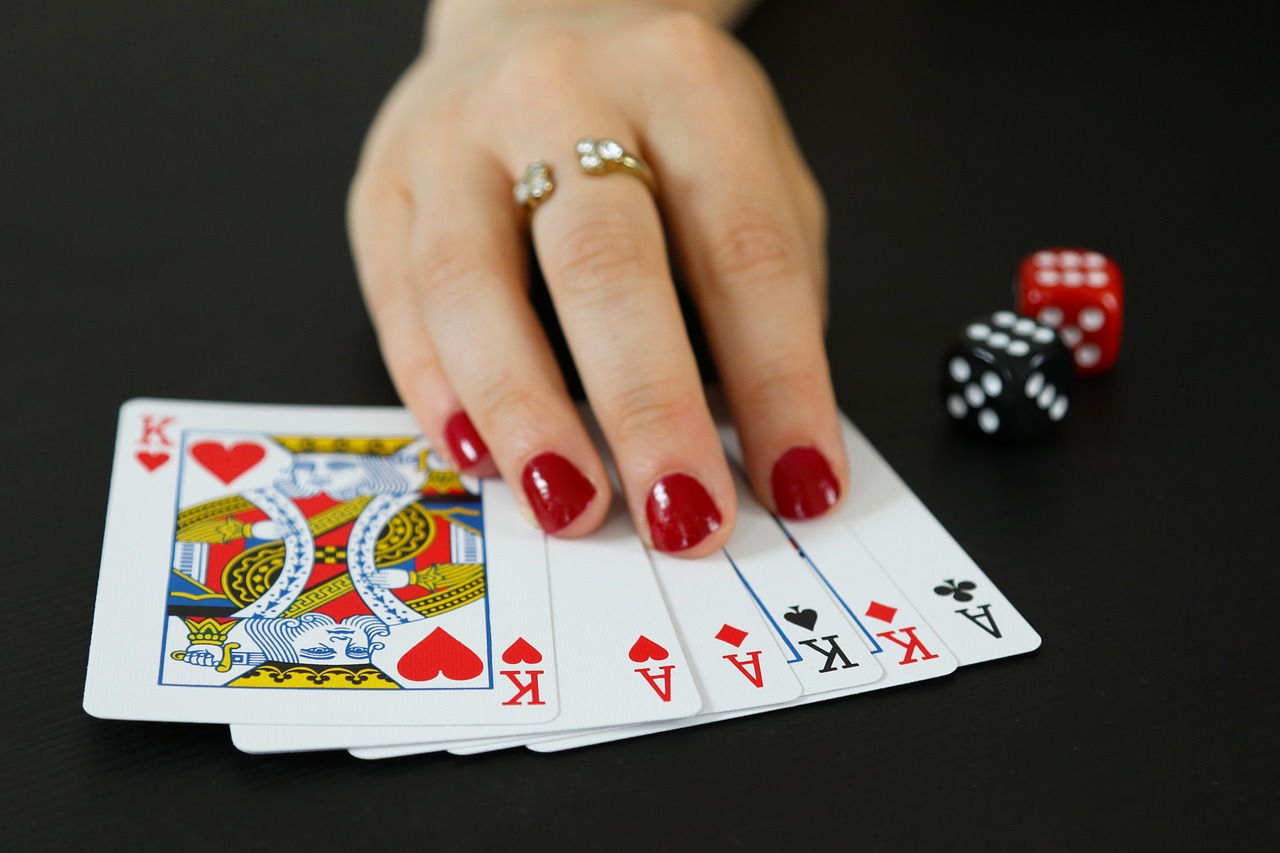
Most people lose money at online casinos for one reason: they play the games without understanding what they actually are. Slots aren't poker. Poker isn't blackjack. Betting on football isn't spinning a reels slot at 3 a.m. after four beers and a losing streak. The iGaming world is enormous, and it rewards players who treat it like a set of distinct disciplines rather than one big blur of flashing lights and hope.
This article isn't going to promise you a system that beats the house. Nobody has one. What it will do is walk you through how slots really work, why poker and casino table games demand completely different skills, how to set a bankroll that survives variance, and where recreational players usually go wrong. If you read all of it, you'll be sharper than about 80% of the people clicking "spin" next to you. There is a useful overview at B52.
What Slot Players Actually Need to Understand
Modern video slots are not the mechanical three-reel machines your grandfather played. They're software products with volatile payout curves, and the single most important number on any slot is its RTP, or return to player. A slot with 96% RTP returns, on average, 96 cents of every euro wagered over millions of spins. The house edge is the other 4%. Slots with 94% RTP give the house twice as much. Over a long session, that difference matters enormously.
But RTP alone doesn't tell you the whole story. Two slots can both have 96% RTP and feel completely different, because of volatility:
- Low volatility slots (think classic 3-reel fruit machines, usually 95–97% RTP) pay small amounts frequently. Your bankroll lasts longer but big wins are rare.
- Medium volatility is the middle ground most branded video slots fall into. Balanced session length, occasional solid hits.
- High volatility slots (Book of Dead-style, Megaways, most modern jackpot games) can go 300 spins without a meaningful win, then hit 500x in one bonus round. They're exciting but brutal on a small bankroll.
Here's a practical tip most players ignore: if a slot's max win is listed as 10,000x or higher, assume it's extremely high volatility. That 10,000x payout is funded by thousands of small losses. If your bankroll is €50, you're not playing that game, you're gambling on a lottery ticket with extra steps. Match your volatility to your bankroll, not to whatever an influencer is streaming.
Poker Is a Skill Game Wearing Casino Clothes
People lump poker in with slots because both involve cards or reels and both happen in a casino. That's like saying chess and roulette are the same because both have boards. Poker is fundamentally different because you're not playing against the house, you're playing against other people, and the house just takes a small rake. Over a long enough sample, the better player wins. In slots, the better player is a myth.
If you're serious about poker, stop hunting for the biggest tournament. Sit at low-stakes cash games and focus on three things:
- Position. Acting last gives you information. Every decision downstream of you reveals something. Playing tight in early position and looser on the button is not a stylistic preference, it's math.
- Pot odds. A flush draw on the turn needs roughly 4:1 pot odds to be profitable. If the pot is 40 and the bet is 30, you need around 4.3:1 implied odds to justify a call, meaning you must believe you'll extract further value on the river when you hit. If you can't, fold.
- Bankroll management. A cash game bankroll should be at least 20 buy-ins for your stake. Sit at €1/€2 no-limit? Your bankroll should be €4,000+. Otherwise one bad session destroys your ability to play at all.
Tournaments are different. You need 50–100 buy-ins because variance is far higher, and you can go dozens of tournaments without a final table. Most amateur players underestimate tournament variance by a factor of two or three.
Betting: The Part Where Discipline Kills Edge
Sports betting has a genuine edge-hunting scene, but it's a small fraction of the market. Bookmakers set lines on publicly available information, and they adjust based on sharp money. The recreational punter is profitable only in one scenario: when they identify a mispriced line before the market corrects it, and stake accordingly.
Concrete example: if a bookmaker offers a Premier League team at 2.20 (implied probability ~45%) when sharp closing lines settle at 1.85 (~54%), that 2.20 was a value bet. Not because it won, but because you took a price longer than the true probability implied. Track your bets with the closing line if you want an honest signal of whether you actually have edge.
Most people, though, don't have edge. If that's you, treat betting as entertainment, not investment. Pick a monthly figure, e.g. €100, treat it as the cost of a hobby, and don't chase losses at 1 a.m. on a Monday with an accumulator of five selections you've never researched.
Bankroll Rules That Actually Keep You Alive
The single most common mistake across every iGaming category is sizeless wagering. People deposit €100 and put €5 on a single spin because the slot has nice graphics. That's twenty spins, minus zero bonus rounds, gone in four minutes. Here's a workable framework:
- Slot spins: 0.5–1% of your slot bankroll per spin. €200 bankroll means €1–€2 per spin, not €5.
- Table games: bet size should be 1–2% of bankroll per hand for blackjack; lower if counting cards poorly.
- Poker cash: 20 buy-ins minimum, 30 ready for comfort.
- Sports betting: 1–3% of your betting bankroll per wager if you're disciplined, 0 if you're firing accas to feel something.
Also, always use the smallest deposit your account allows, not the biggest bonus your operator offers. Match bonuses with 40x wagering on slots come with real cost, because slots contribution to wagering is often 100% but live dealer contributes only 10%. Read the bonus terms like a contract, because it is one.
The Real Conclusion
The iGaming space is not one game. It's four or five completely different mental disciplines crammed under one roof, and the people who get hurt are the ones who apply gambling logic (chasing losses, doubling stakes) to games where a bit of math and patience would reward them, or who apply poker logic to a slot machine that has no memory and no feelings. A slot with 96% RTP doesn't owe you anything because you lost last night. A poker table does reward you for patience, but only over thousands of hands. Learn the difference, size your bets honestly, and treat every euro you wager as spent the moment it leaves your account. That mindset won't make you a professional, but it will make you an iGaming player who still has a bankroll a year from now, and that puts you ahead of most.

4 Comments