
Creating a Calm Home Office in a Cupboard
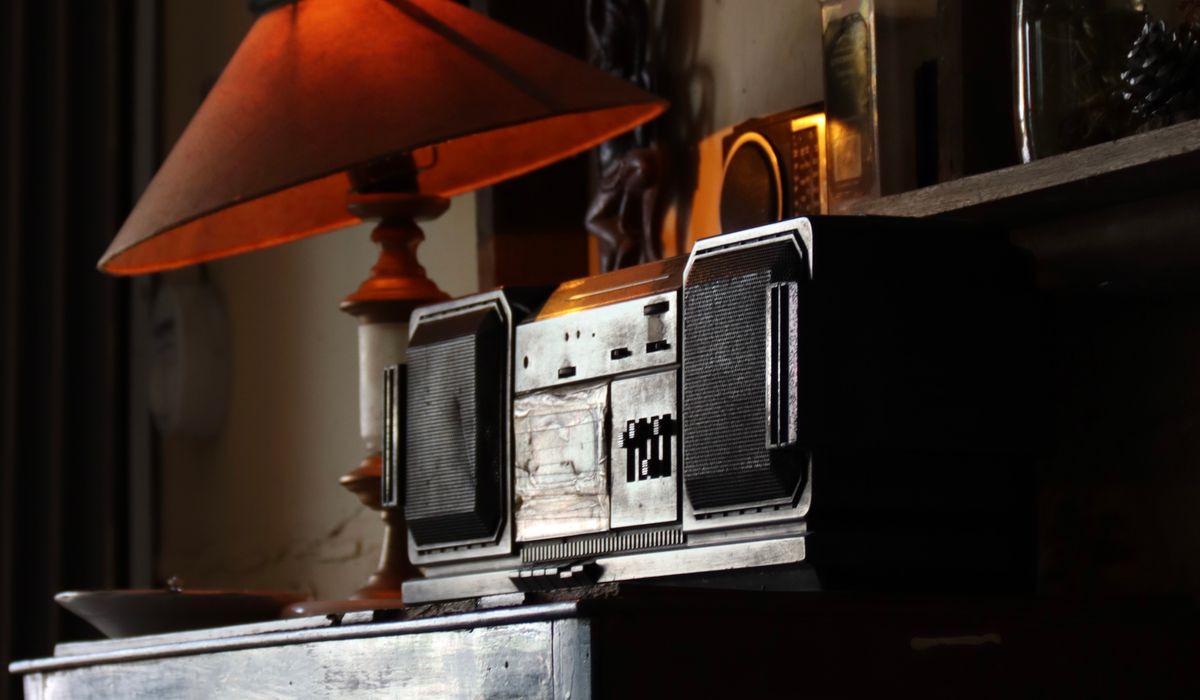
For many of us, the hunt for a quiet home office ends in a space we overlook: the humble cupboard. With a little planning, even a narrow airing cupboard or a deep under-stairs nook can become a calm, focused workspace. The trick is to work with the space rather than fight it, using slim furniture, layered lighting and tidy cable management. Here is how to turn that unused cupboard into a desk you will actually enjoy.
Assess Your Cupboard and Plan the Space
Measure the internal width, depth and height in centimetres, and check how the door opens. A depth of 55–65cm suits a standard chair and monitor; if yours is shallower, a wall-mounted shelf desk at 40cm deep can still work. Check for a nearby power socket. If there isn't one, route an extension lead through a small drilled hole or under the door, keeping it safe and uncluttered. Ventilation matters: leave the door ajar when you work or fit a small vent, because electronics and people both produce heat and moisture. A cupboard with no window needs extra lighting. Decide whether to remove the door, replace it with a curtain, or keep it to hide the workspace at the end of the day.
Choose a Slim, Wall-Mounted Desk
A full-depth desk will swallow a cupboard. Look for a slim desk 40–50cm deep, or make one from a piece of melamine or solid wood cut to size. Fix it to the side walls with sturdy brackets at 72–75cm from the floor — standard desk height for most adults. For a fold-away option, use fold-down brackets so the desk drops flat against the wall. Ensure at least 60cm of width and 65cm of height below the desk for knee clearance. A simple stool or a small office chair with a low back fits better than a bulky executive chair. In a very narrow cupboard, a wall-mounted shelf at chest height can hold a laptop, with a pull-out keyboard tray below for comfort.
Layer Your Lighting for Focus and Calm
Good lighting turns a gloomy cubby into a calm retreat. Start with a task light: a slim LED bar under the shelf above your desk, or an angled desk lamp that lights your work without glaring into your eyes. Choose a warm-white bulb around 3000–4000K — gentle enough for evenings, bright enough for detail. Add a second, softer source, such as a small clip-on lamp with a fabric shade or an LED strip along the back of the desk, to reduce harsh shadows. If natural light reaches the cupboard from a nearby room, bounce it in with a mirror or white panel, but avoid direct glare on your screen. A dimmer switch or smart plug lets you shift from focused work to a relaxed glow.
Tame the Cable Clutter
Cables are the enemy of calm in a small space. Mount a power strip to the underside of the desk or the back wall with screws or heavy-duty adhesive pads. Use adhesive cable clips or self-adhesive raceway trunking to route leads neatly along the corner where wall meets desk. Keep charger cables tidy with velcro ties and label each plug with a small sticker. If you use a monitor, a single USB-C or HDMI cable is easier than several. Leave a little slack at each end so you can pull devices forward without unplugging them. A small basket or box fixed under the desk hides the power brick and excess cable, leaving only what you need on the surface.
Make It Calm and Comfortable
Paint the cupboard interior in a soft, light colour — warm white, pale sage or gentle grey — to make it feel larger. Add a pinboard or a piece of cork covered in fabric for notes and pictures, but keep it sparse. A low-light plant such as a snake plant or pothos brings a touch of life. If the cupboard is stuffy, a small USB fan or passive vent helps air circulate. Sound matters too: a felt panel or thick curtain on the door absorbs echo. Choose a cushion for your chair and a warm throw for chilly mornings. The aim is a space that feels intentional, not improvised.
Keep It Tidy and Functional Every Day
A cupboard office only stays calm if it is easy to reset. At the end of each workday, spend two minutes clearing the desk: put pens in a small pot, slide papers into a document tray, and tuck your laptop into a drawer or sleeve. Use the back of the door for shallow storage — an over-door organiser with pockets for stationery, headphones and cables. Keep only essentials in the cupboard; everything else belongs elsewhere. If you share the space with coats or cleaning supplies, allocate one shelf or box for work items and stick to it. A simple rule — nothing on the desk overnight — means you open the door each morning to a clear, inviting workspace.

4 Comments